
Cost, programme, quality and procurement, run as one job rather than four handed between departments. One point of contact from feasibility to handover.
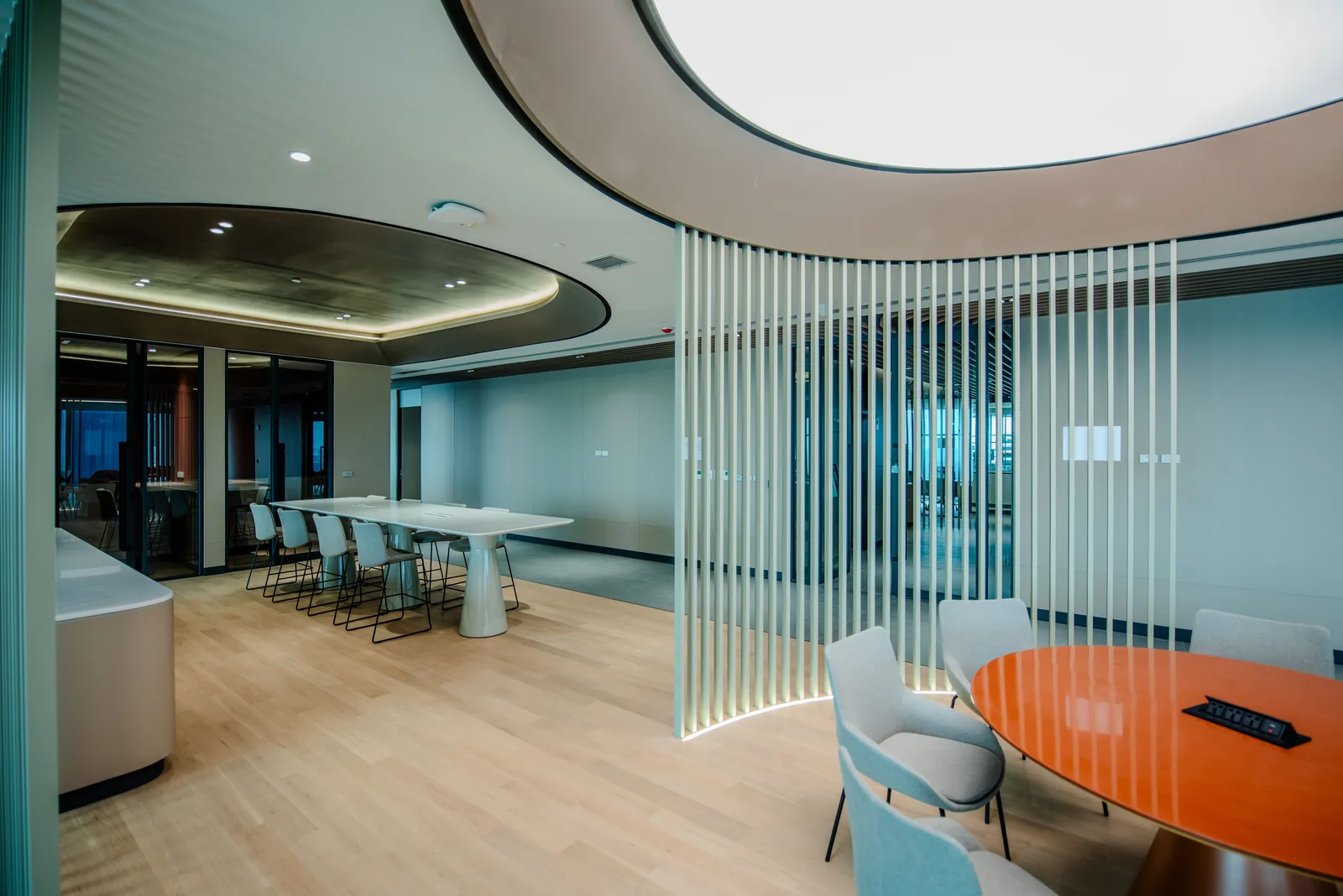
Most projects are run by whoever happens to be free: a designer manages the concept, a contractor manages the site, and no one is accountable for how the two connect. The gaps between those handoffs are where budgets and programmes actually fail.
We hold cost, programme, quality and procurement as one job, with the same senior person carrying it from the first feasibility study to the closed snag list. There is no handover from a sales team to a delivery team, and no new face who needs your business explained again in month three.

A cost plan and a programme baseline set before anything is committed, built from a scope written tightly enough that later comparisons mean something. This is where most overruns are prevented, because changing your mind here costs nothing and changing it in month four costs a great deal.
Weekly cost and programme reporting against the original baseline, tender oversight with every submission visible to you, and site coordination that keeps one trade from waiting on another. Every variation is priced before it is approved, never settled after the fact.
A joint snagging inspection with a written list, then a return visit to confirm the items are actually closed. You receive as built drawings, O&M manuals, warranties and commissioning certificates, and we stay reachable through the defect liability period.
Construction and fit out is the delivery contract. Project management is the discipline that runs inside it and, on projects where you already have a contractor, can run independently of it: cost control, programme, tender oversight, quality inspection and variation control, held by one senior team accountable for all five.
Yes. We can run the tender and the oversight for contractors you nominate, or tender the work openly and give you the comparison. Either way you see every submission, and the cost reporting and variation control work the same regardless of who holds the construction contract.
As a management fee agreed before we start, not as a percentage buried in the supply cost. It is visible on every report beside the supplier and contractor figures, so at any point in the project you can see what the work costs and what we charge to manage it.
It is priced before it is approved, never after. You either accept a variation with a number attached to it or you decline it. Cost reporting runs against the original contract sum throughout, not a rebased one, because a report that quietly resets its own baseline conceals an overrun rather than managing it.
A joint snagging inspection with a written list, as built drawings, operation and maintenance manuals, warranties, testing and commissioning certificates, and training for whoever runs the building services. Defect liability is a real period on the contract and we treat it as one.